
Business
BoG confirms $10bn injection to stabilise Ghana’s economy

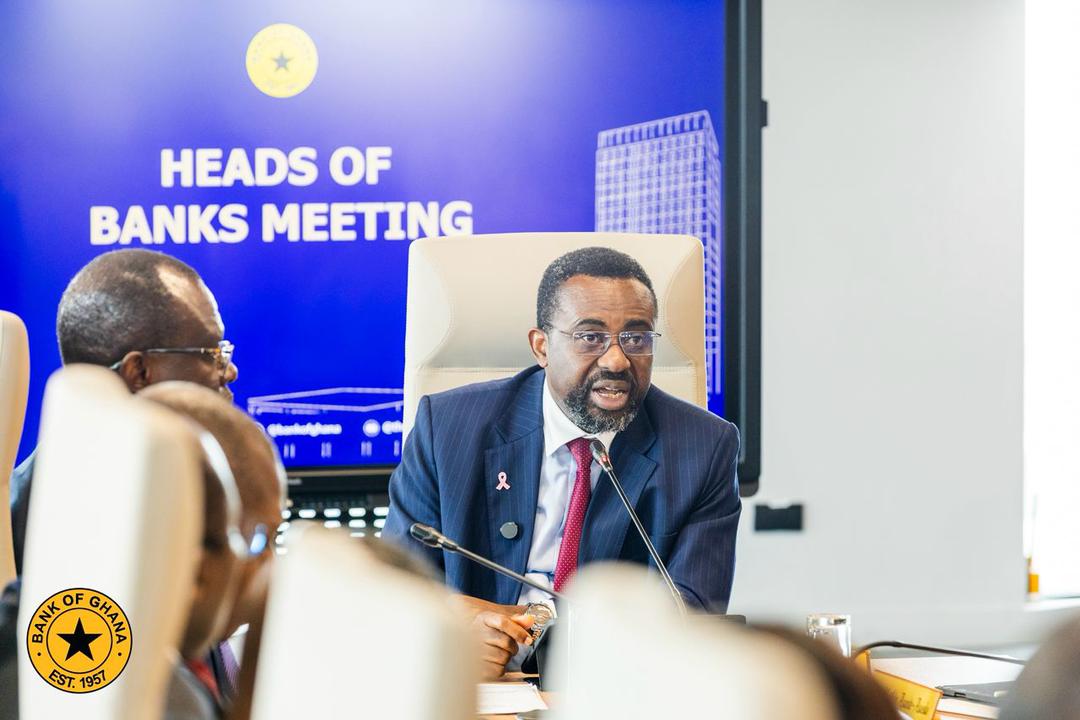
The Bank of Ghana has made a staggering revelation regarding its efforts to keep the national economy afloat. During a Public Accounts Committee sitting on Monday, January 12, 2026, officials confirmed a massive $10 billion injection. This financial lifeline was pumped into the system starting in 2025 to stabilize the volatile exchange rate. The move was also designed to significantly bolster the nation’s foreign reserves amidst global economic pressures. According to the Central Bank, this intervention represents one of the most aggressive market support strategies in recent history. Stakeholders had been demanding transparency on how the bank was managing the Cedi’s performance.
The Governor, Dr. Johnson Asiama, and the Head of Financial Marketing, Nii Sowah Ahorlu, defended the high-stakes strategy. They explained that the $10 billion was not just for currency defense but also for critical debt settlements. A large portion of these funds went directly to Independent Power Producers (IPPs) and various bondholders. These payments were essential to prevent a total collapse of the energy sector and maintain investor trust. By settling these obligations in foreign currency, the bank managed to reduce direct pressure on the local forex market. The Governor noted that these “intermediation processes” are the primary reason the Cedi has seen recent periods of appreciation.
Nii Sowah Ahorlu emphasized that the total support for the market this year alone has already approached the $10 billion mark. He stated that the stability observed by Ghanaians today is the direct result of these significant capital outlays. Without this intervention, the exchange rate could have spiraled out of control, causing even higher inflation. The Central Bank believes that prioritizing payments to IPPs ensures that the lights stay on while the economy recovers. This proactive approach aims to create a predictable environment for both local businesses and international investors. The bank maintains that its actions are consistent with its mandate of ensuring price and financial stability.
However, the massive expenditure has invited intense scrutiny from financial analysts and the Public Accounts Committee. Critics are questioning if such a high level of dollar injection is sustainable in the long term. There are concerns about the impact on the country’s total debt stock and future reserve levels. Despite these fears, the BoG insists that the measures are yielding the desired stability needed for growth. The Governor assured the committee that the bank is closely monitoring market trends to adjust its strategy. For now, the focus remains on keeping the Cedi competitive and ensuring the energy sector remains functional.
The disclosure marks a transparent shift in how the Central Bank communicates its foreign exchange operations. By providing specific figures, the BoG hopes to calm market anxieties and discourage speculative trading. The $10 billion figure serves as a clear signal that the government is willing to spend heavily to protect the currency. As the fiscal year progresses, the bank expects these interventions to taper off as the economy strengthens. All eyes remain on the Cedi’s performance in the coming months to see if this “billions-dollar shield” holds. The committee has requested further documentation to track the precise distribution of these funds.
Thanks for reading!
Supporting local news matters. Share this story or send news tips to our newsroom.


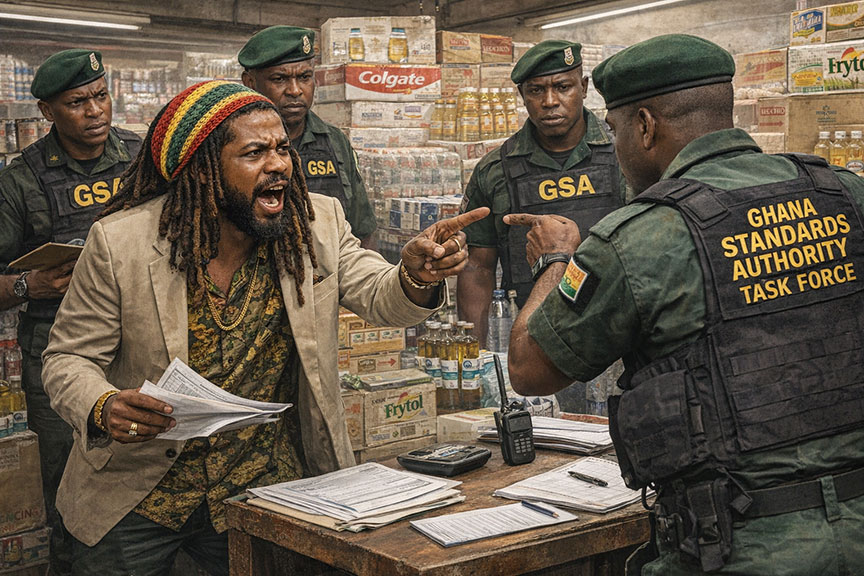
The ongoing crackdown on substandard goods and unregistered products by the Ghana Standards Authority (GSA) Task Force took a tense turn yesterday as an embattled businessman issued a strong warning to the inspection team. Following the sealing of his premises for alleged regulatory violations, the trader cautioned the officers against any expectation of compliance, stating, “If you return and the padlocks are gone, don’t blame me.” The statement has raised concerns about a potential escalation in the conflict between regulators and recalcitrant business owners.
The GSA has recently intensified its enforcement operations across major trading hubs, targeting businesses dealing in counterfeit products, unhygienic premises, and goods that fail to meet the required standards. In this particular incident, the Task Force exercised its legal mandate to padlock the facility. However, the businessman’s defiant response signals a refusal to accept the authority of the agency, suggesting he may tamper with the official seals—an act that constitutes a direct challenge to the law.
Legal experts warn that such defiance carries significant risks. Tampering with government padlocks or obstructing public officers in the line of duty is a criminal offense that could lead to arrest and prosecution. “By issuing that warning, the businessman is not protecting his business; he is escalating the situation and inviting heavier legal sanctions,” a legal analyst noted. The GSA Task Force, backed by state authority, is unlikely to overlook such a threat, and the incident may prompt them to return with police reinforcement to ensure compliance.
🚨 JUST IN:
An embattled businessman has issued a strong warning to the Ghana Standards Authority Task Force, saying, “If you return and the padlocks are gone, don’t blame me,” as the ongoing crackdown intensifies. pic.twitter.com/hEAXKLyEzD— Ghana Chronicles (@_GhChronicles) March 19, 2026
As the crackdown continues, this confrontation highlights the growing friction between regulators and segments of the trading community. While the GSA maintains that its actions are necessary to protect consumers and uphold standards, business owners argue the enforcement is crippling their livelihoods. With tensions high, all eyes will now be on the sealed premises to see whether the businessman follows through on his threat or if the GSA moves to assert its authority before the padlocks are touched.
Thanks for reading!
Supporting local news matters. Share this story or send news tips to our newsroom.

Thanks for reading!
Supporting local news matters. Share this story or send news tips to our newsroom.
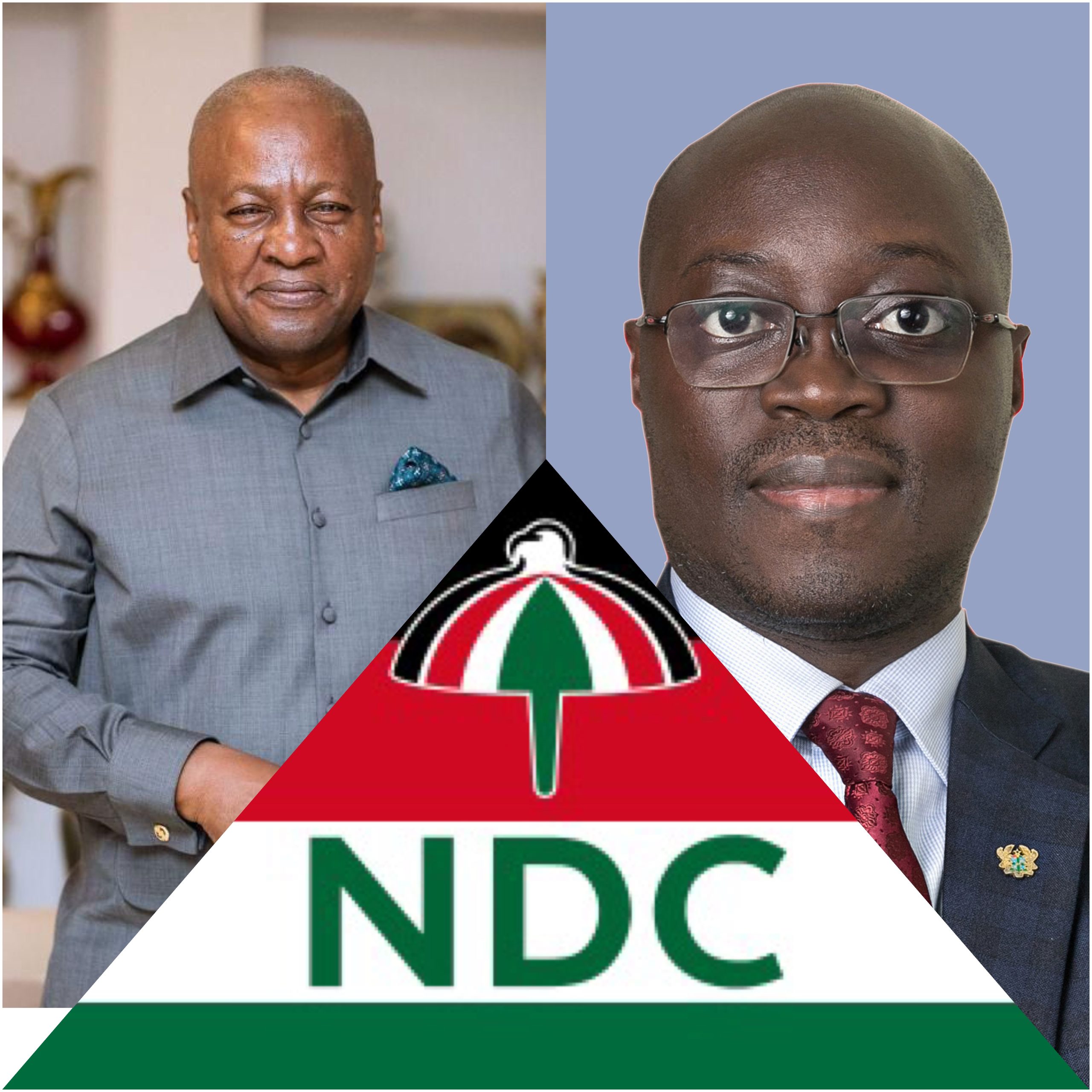
In a surprising move that has sent ripples through Ghana’s agricultural sector, the government has announced a sharp reduction in the farmgate price of cocoa, lowering it from GH₵58,000 to GH₵41,392 per tonne. The new pricing, effective immediately as of 12th February 2026, marks a significant departure from previous records and signals a challenging season ahead for cocoa farmers across the nation. The adjustment represents a drop of over GH₵16,600 per tonne, raising immediate concerns about farmer incomes and the broader stability of Ghana’s leading cash crop export.
While official statements from the Cocoa Board (COCOBOD) are yet to be released, industry analysts suggest the price revision may be linked to declining global cocoa prices, currency depreciation pressures, or necessary fiscal adjustments tied to international loan agreements. This decision comes at a time when production costs—ranging from fertilizers to labour—remain high, placing farmers in a difficult position. Some experts speculate that the move could be a preemptive strategy to stabilize the sector’s finances amidst volatile market conditions and shrinking government margins.
The development has sparked widespread reactions from farmer associations and civil society groups, who warn that the price slash could disincentivize production, encourage smuggling to neighbouring countries, and deepen rural poverty. With cocoa farming supporting over 800,000 households in Ghana, stakeholders are now urging the government to provide immediate support measures, including subsidized inputs and timely bonuses. As the country battles to maintain its status as the world’s second-largest cocoa producer, all eyes will be on how this policy decision shapes the upcoming harvest season and Ghana’s long-term agricultural sustainability.
Thanks for reading!
Supporting local news matters. Share this story or send news tips to our newsroom.

Abu Trica Alleges Investigators Threatened to Link Him to $8 Million Scam

I Was Judged Before Being Hear – Abu Trica Shares His Painful Experience

‘We’ll All Benefit, But Ghana Comes First — Asiedu Nketiah To NDC Members

Sometimes, the tears of a nation are hidden in the black jumpsuit of a fallen king. 😢 #FromBillionsToBars #Ghana

A High-Profile Arrest: Abu Trica and Associates Face Serious Financial Charges
